The Basics
What is it?
The name of your condition is Color Blindness (Blue Cone Monochromacy).
Description: Color blindness is a hereditary (passed down in families) disease that makes distinguishing colors hard for the patient. It is also known as "color deficiency."
What does this feel like? (Symptoms)
You might notice difficulty with distinguishing the colors red and green. This happens because the OPN1LW gene is mutated.
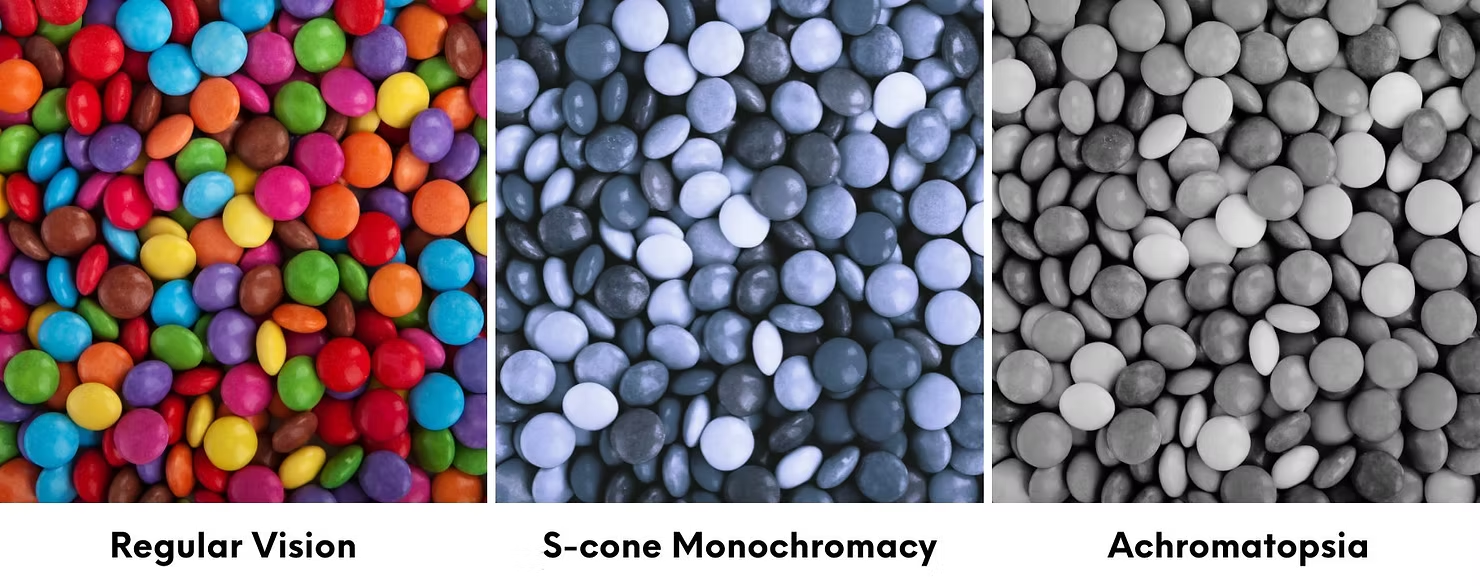 Figure 1: This is what the world looks like to you compared to others. Notice how reds and greens look more like shades of yellow or grey.
The Gene Involved
The specific gene affected is called OPN1LW.
What is the gene supposed to do?
Normally, the OPN1LW gene makes an opsin. Opsin is a pigment (like a paint color) that receives light and sends the data to the brain. The opsin it makes is usually sensitive to yellow and orange light.
Genetics
Type of Mutation
Your genetic test shows a Substitution: Missense, C203R.
A missense mutation is where a base (a letter in your DNA code) is changed out for another one. This creates a different amino acid, which changes the protein.
Think of it like baking cookies but accidentally swapping sugar for salt. The cookie looks the same, but it tastes completely different!
The Specific Change
At position 648 in your DNA, a T is changed for a C.
How this affects the Protein Structure
Because of that swap in your DNA, the Cysteine at spot 203 is changed to Arginine (C203R). This causes a malfunctional fold.
(Proteins need to be folded into perfect origami shapes to work right. Yours is just folded a little differently.)
How this affects the Protein Function
The protein is still made by your body, but it is nonfunctional.
The Result
Because the protein doesn't work to catch the light, your eye experiences a loss of ability to see red and green.
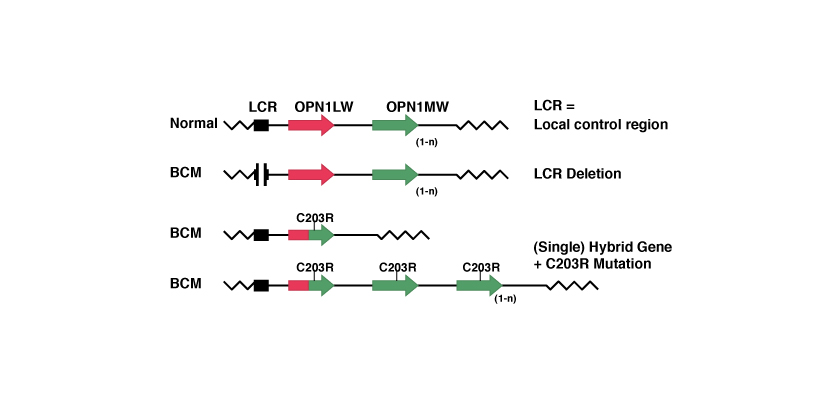 Figure 2: A look at the gene structure showing where the code is different.
Moving Forward
Treatments
| Option | Description |
|---|---|
| 1. Glasses/Contacts | Using special glasses can help the sensitivity to color, helping people with color difference. |
| 2. Visual Aids | There are apps that let people see the color by taking a picture and clicking on the color to see what color it is. |
Risk Factors
The likelihood of developing this disease increases with:
- Being Caucasian
- Being Male
- Family History
Prognosis (The Future)
Currently, there is no cure to color blindness, but it is non-progressive (it does not get worse). However, color blindness could severely impact Quality of Life (QoL) negatively, but many other have lived happy lives with BCM.
Prevention
There is no prevention method.
Frequently Asked Questions
A: Yes, you can still drive with Biotopic glasses.
A: No, it is purely genetics and is noninfectious.
A: Different glasses vary. Some can be as low as $600 while others can be up to $3500.
Support Resources
-
BCM Families Foundation
Goal: End BCM by funding R&D (Research & Development) for a cure. -
Children's Eye Foundation
Goal: Support and better the lives of visually impaired children.